VIrtual Hypnotherapy

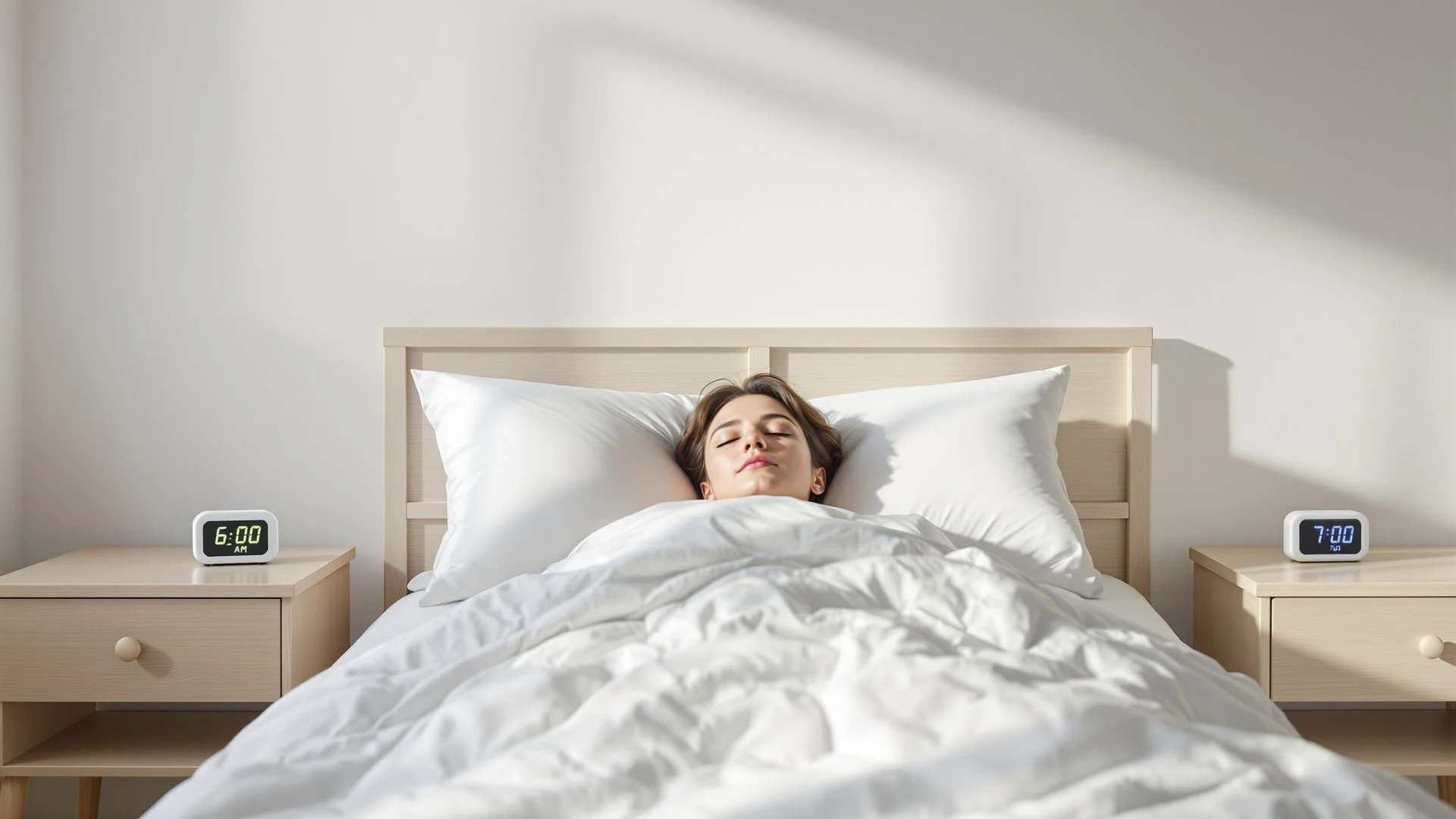
When the Clocks Change, Sleep Smarter: Hypnotherapy Techniques to Reset Your Sleep Rhythm

Janet had not slept well for years.  Her visits to several doctors had not helped.  The latest doctor had her keep a sleep journal.  She carefully recorded every time she woke up during the night and for how long.  This did not work. It only reinforced that she was not sleeping.  

Remember:  What you think about comes to be.  Janet was reinforcing that she would not sleep.  When she came to hypnotherapy, we came up with a set of affirmations about her sleep and customized a personal anchor that she could focus on when she needed to clear her mind.  I gave her a “Sleep Recording” – a progressive body relaxation that helped her focus on completely relaxing her body.  Janet now gets a good night’s sleep every night and when she needs to, she has tools to help her get back on track.

 Few things affect your well-being as deeply as sleep. When sleep is restful and regular, we wake feeling refreshed, clear-headed, and ready to meet the day. But when sleep becomes inconsistent, restless, or difficult to achieve, nearly every aspect of life can suffer. Mood, focus, immune health, and even emotional resilience are tied closely to the quality of your sleep.

You might assume that insomnia or disrupted sleep is simply a physical problem. While biology certainly plays a role, sleep is also deeply connected to the mind. Racing thoughts, accumulated stress, irregular routines, and subconscious anxiety can quietly disrupt the body’s natural sleep rhythm.

The good news is that hypnotherapy offers a powerful and natural way to help reset the mind-body connection that governs healthy sleep.

Understanding Your Body’s Sleep Rhythm

Your sleep-wake cycle is regulated by an internal biological clock known as the circadian rhythm. This rhythm helps determine when you feel alert and when you feel sleepy. Ideally, this cycle aligns with natural light patterns and daily routines.

However, modern lifestyles often interfere with this rhythm. Late-night screen use, irregular schedules, travel, stress, and mental overactivity can all disrupt the brain’s signals that tell the body when it is time to rest.

When your mind remains alert even after the body is tired, the result is often insomnia or restless sleep. You can find yourself lying in bed replaying conversations, planning tomorrow’s tasks, or worrying about whether you will be able to fall asleep at all.

Ironically, worrying about sleep often makes it harder to achieve This is where hypnotherapy can be especially helpful.

How Hypnotherapy Supports Healthy Sleep

Hypnotherapy works by guiding your mind into a deeply relaxed state where your nervous system shifts from “fight or flight” into a calmer, restorative mode. In this state, your subconscious mind becomes more receptive to positive suggestions and new patterns of relaxation.

When you are struggling with sleep disturbances, hypnotherapy can help:

  • Quiet mental overactivity at bedtime

  • Reduce anxiety associated with falling asleep

  • Reinforce healthy nighttime routines

  • Reset subconscious associations with sleep

  • Promote deeper relaxation of your body and mind

By calming your nervous system and reshaping internal expectations about sleep, you may find that falling asleep becomes easier and staying asleep becomes more natural.

Hypnotherapy Techniques That Help Reset Sleep

Several practical techniques are commonly used in hypnotherapy to support better sleep patterns.

1. Progressive Relaxation

Progressive relaxation helps release tension that accumulates throughout the day. Beginning at the feet and slowly moving upward, your body is guided to relax each muscle group. As physical tension melts away, your mind naturally begins to settle.

This technique trains your body to recognize the physical sensation of relaxation as a signal for sleep.

2. Guided Imagery

Visualization is a powerful tool for calming the mind. Many hypnotherapy sessions use peaceful imagery such as walking along a quiet beach or resting in a tranquil forest. This can encourage your mind to move away from stressful thoughts and into a restful mental state.

Your brain responds to these calming images as though the experience were real, helping your body slow its breathing and heart rate.

3. Circadian Reset Suggestions

Hypnotherapy can also include suggestions that reinforce your body’s natural sleep rhythm. These suggestions encourage your mind to expect sleep at a consistent time and to associate bedtime with calmness and safety.

Over time, your subconscious mind begins to anticipate sleep rather than resist it.

4. Quieting the Inner Dialogue

Bedtime becomes the moment when the mind begins reviewing the entire day or worrying about the next one. Hypnotherapy helps redirect this inner dialogue, replacing anxious thoughts with calming, reassuring messages that promote rest.

Practical Habits That Support Restorative Sleep

In addition to hypnotherapy, several lifestyle practices can strengthen tour body’s natural sleep rhythm:

1. Create a consistent sleep schedule. Going to bed and waking at roughly the same time each day helps regulate the circadian clock.

2. Reduce evening stimulation. Limiting screens, caffeine, and intense mental activity before bed allows the brain to wind down.

3. Develop a calming bedtime routine. Gentle stretching, reading, or relaxation exercises can signal the body that it is time to rest.

4. Keep the bedroom a sleep-friendly space. A cool, dark, quiet environment helps reinforce the brain’s association between the bedroom and rest.

When these habits are combined with hypnotherapy, you can experience significant improvements in both sleep quality and overall well-being.

The Mind-Body Connection in Sleep

Sleep is not simply a physical event; it is a deeply integrated mind-body process. When your mind is calm, your body can follow. When stress or worry dominates your mental landscape, sleep becomes elusive.

Hypnotherapy helps restore balance by addressing mental patterns that interfere with rest. By calming your nervous system and encouraging positive subconscious expectations, your mind begins to welcome sleep instead of resisting it.

Over time, this shift can transform bedtime from a source of frustration into a natural transition into rest.

A Final Thought

Healthy sleep is not a luxury. It is one of the foundations of physical health, emotional resilience, and mental clarity. When sleep improves, many other aspects of your life can begin to improve as well.

When you find yourself struggling with insomnia, restless nights, or a disrupted sleep rhythm, know that change is possible. With the right guidance and techniques, your mind and body can learn to rest again.

Ready to Sleep Better?

Hypnotherapy offers a gentle, natural approach to resetting your sleep rhythm and helping your mind relax into restorative rest.

For support improving your sleep, I offer live, private, online or in-person hypnotherapy sessions designed to help you calm your mind, release stress, and develop healthy sleep patterns.

Please call 818-929-4944 for a Free 30 minute phone consultation or to schedule a session. To learn more please visit CindaRoffman.com.

Better sleep may be closer than you think.

Sincerely,

Cinda

HypnoNews and Resources

Insomnia and Behavioral Sleep Treatments – American Academy of Sleep Medicine

https://www.sleepeducation.org/sleep-disorders/insomnia/

Discusses psychological and behavioral approaches used to treat insomnia and improve sleep quality.

The Confidence Collapse: Understanding and Treating the Yips in Competitive Athletes

Every March, we watch elite basketball players step up to the free throw line with millions watching. Most of the time, muscle memory takes over. But occasionally, something shifts — and a shot that has been practiced thousands of times suddenly feels foreign.

The ball slips. The rhythm disappears. The confidence1 cracks.

Athletes call it “the Yips.” When it happens, it can feel devastating.

Do You Have the Yips?

Yips are sudden, involuntary muscle spasms, jerks, or tremors that cause athletes to lose fine motor skills, typically during high-pressure moments like putting in golf, throwing in baseball, shooting free throws in basketball, or performing precision movements in gymnastics, darts, cricket, swimming starts, or cheerleading routines.

They are often caused by a combination of performance anxiety and neurological factors. The body tightens. Timing shifts. Muscle memory falters.

Luckily, hypnotherapy is a powerful solution because it directly addresses the psychological component, performance anxiety.

I have helped several golfers overcome the Yips. One actually got a hole in one after our session, Another is now a confident, consistent putter. I’ve also worked with a football player, a pole vaulter, and a gymnast, all of whom were experiencing performance blocks rooted in anxiety rather than lack of skill.

The Yips are not a talent problem. They are often a confidence collapse.

How the Confidence Collapse Begins

In many cases, the Yips begin with a single moment.

One missed putt. One failed routine. One embarrassing mistake.

You feel a flash of doubt.1 Then comes the thought:

“What’s wrong with me?”

The next attempt is no longer automatic. It’s cautious, analytical, guarded. Your brain shifts from fluid performance to conscious control.

That’s when muscle memory becomes interrupted. Your body tightens. Movements become jerky. Timing is lost.

You begin anticipating failure and the subconscious mind listens.

The Spiral of Negative Internal Dialogue

Once doubt takes hold, your internal conversation can become harsh:

  • “Don’t miss again.”

  • “Everyone is watching.”

  • “You’re choking.”

  • “You used to be good at this.”

  • “What if it happens again?”

This mental pressure reinforces performance anxiety.

Your brain’s threat detection system activates. Adrenaline increases. Fine motor coordination decreases. You overthink movements that once flowed naturally.

The more you try to “fix” it consciously, the worse it often becomes. That spiral is the confidence collapse.

Why Willpower Doesn’t Fix the Yips

Athletes are trained to push through discomfort. To work harder. To focus more.

But the Yips are not solved by effort alone.

In fact, increased effort can sometimes amplify the problem because it keeps you stuck in analytical mode.

Elite performance relies on subconscious automatic execution. It is often referred to as “flow state.”

The Yips occur when anxiety pulls performance out of flow and into over-control. That shift happens at the subconscious level.

Which is why hypnotherapy can be so effective.

How Hypnotherapy Rebuilds Subconscious Confidence

Hypnotherapy works by guiding you into a deeply relaxed, focused state where subconscious performance patterns can be accessed and recalibrated.

Instead of forcing positive thinking, we can help to:

  • Calm the nervous system

  • Reduce performance-triggered stress responses

  • Rebuild trust between mind and body

  • Reprogram negative internal dialogue

  • Reinforce successful performance imagery

  • Restore automatic muscle memory patterns

You can learn to associate pressure with calm rather than threat. The subconscious mind relearns safety in high-stakes moments.

Restoring Flow and Trust

When the psychological trigger is softened, performance1 often returns naturally.

You may experience:

  • Increased calm before competition

  • Less overthinking

  • Improved rhythm and timing

  • Greater emotional resilience after mistakes

  • Stronger belief in your abilities

The goal is not perfection. The goal is trust.

Trust in preparation. Trust in skill. Trust in automatic execution.

When trust returns, flow follows.

The Mind-Body Connection in Sports

The Yips are not weakness. They are not lack of talent.

They are a stress response.

And stress responses can be retrained.

Whether it’s a golfer standing over a short putt, a basketball player at the free throw line in March Madness, a swimmer on the starting block, or a gymnast preparing for a routine, performance anxiety can interrupt even the most practiced skills.

Hypnotherapy addresses the anxiety component so the neurological system can relax and re-align.

March Is the Month of Pressure

March is known for tournament season, championships, and high-stakes games. For many athletes, from youth competitors to seasoned professionals, this month amplifies performance pressure.

If you or someone you know is struggling with the Yips or performance blocks, know that it is treatable. It is common. And it is not a reflection of your ability.

A Final Word on Confidence

Confidence is not built by avoiding mistakes.

It is built by learning how to recover from them without spiraling into self-doubt.

When athletes change the internal narrative from “I can’t mess this up” to “I trust my training” performance stabilizes. Hypnotherapy helps make that shift permanent at the subconscious level.

Ready to Restore Your Game?

If performance anxiety or the Yips are interfering with your sport, whether golf, basketball, football, gymnastics, swimming, cheerleading, or track and field, hypnotherapy may help you rebuild confidence and restore your natural flow.

I offer live, one-to-one, online or in person hypnotherapy sessions tailored to athletes seeking:

  • Improved mental focus

  • Reduced performance anxiety

  • Stronger confidence

  • Reprogrammed negative internal dialogue

  • Return to fluid, automatic performance

Your skills are still there.

Sometimes, you simply need your subconscious mind to get out of the way.

Contact me through CindaRoffman.com to learn more. Call me at 1-818-929-4944 for a Free , 30 minute consultation  or to  schedule a session.

Let’s help you trust your shot again.

Sincerely,

Cinda

HypnoNews and Resources


Understanding the Yips – Mayo Clinic
A clinical overview explaining both neurological and anxiety-based causes of the Yips.
https://www.mayoclinic.org/diseases-conditions/yips/symptoms-causes/syc-20379021

Difference in Personality Traits and Symptom Intensity According to the Trigger-Based Classification of Throwing Yips in Baseball Players

https://pubmed.ncbi.nlm.nih.gov/34514382/

Breaking the Cycle: Hypnotherapy for Communication Anxiety in Relationships

“My marriage is so much better since I’ve been in hypnotherapy,” my client remarked at the beginning of his session.  He had come to me at the request of his boss, who said get help with your chronic tardiness or lose your job.  We had never discussed his marriage or his wife. So why was his marriage better?  He now had tools to relax, calm down and calmly discuss his feelings with his partner.

Healthy relationships depend on communication. Yet for some of you, honest conversations can feel intimidating, overwhelming, or even frightening. Instead of expressing feelings clearly, you may shut down, avoid difficult discussions, become defensive, or struggle to truly listen. Over time, these patterns can create distance, misunderstanding, and emotional frustration.

What you might not realize is that communication anxiety is rarely about a lack of skills. More often, it reflects subconscious emotional patterns shaped by past experiences, fear of rejection, or uncertainty about emotional safety.

Hypnotherapy offers a powerful and gentle way to break these cycles by calming emotional triggers, strengthening confidence, and helping you communicate with clarity, presence, and authenticity.

Why Communication Anxiety Happens

Many adults believe they “should” be better communicators. When conversations feel stressful, they often blame themselves or their partners. However, communication anxiety usually develops long before current relationships begin.

Early life experiences, previous relationships, or emotionally charged situations can create subconscious beliefs such as:

  • “Conflict means rejection.”

  • “If I speak honestly, I’ll hurt someone.”

  • “My needs aren’t important.”

  • “It’s safer to stay quiet.”

These beliefs can activate the brain’s threat-response system during emotionally vulnerable conversations. When the nervous system perceives emotional risk, the body reacts with protective behaviors such as:

  • Avoiding difficult topics

  • Becoming overly agreeable

  • Becoming defensive or reactive

  • Shutting down emotionally

  • Struggling to listen without preparing a response

These reactions are not personal failures. They are learned protective patterns but patterns can be changed.

The Hidden Cost of Avoiding Honest Communication

When communication anxiety goes unaddressed, it can slowly erode connection. Your partner may feel misunderstood or emotionally distant. Small issues may grow into larger conflicts simply because the issues remain unspoken.

Over time, communication avoidance can lead to:

  • Increased resentment

  • Emotional disconnection

  • Repeated misunderstandings

  • Reduced intimacy and trust

  • Heightened stress and anxiety

Breaking this cycle requires more than communication tips or relationship advice. True change often happens when emotional triggers are addressed at the subconscious level.

How Hypnotherapy Helps Reduce Communication Anxiety

Hypnotherapy works by guiding the mind into a deeply relaxed and focused state where subconscious beliefs and emotional responses can be explored and reshaped safely.

When you work on communication anxiety through hypnotherapy, you can experience three important shifts.

1. Calming Emotional Triggers

During emotionally charged conversations, the brain sometimes reacts as though it is facing danger. Hypnotherapy helps retrain the nervous system to remain calm and present, even during sensitive discussions.

In practice, you may experience:

  • Reduced fear of conflict

  • Increased emotional steadiness

  • Greater comfort expressing thoughts and feelings

When the body feels safe, communication becomes clearer and more thoughtful.

2. Releasing Fear-Based Beliefs

Many communication struggles stem from deeply held beliefs formed earlier in life. Hypnotherapy helps you identify and gently release outdated subconscious messages that may be influencing present relationships.

Clients frequently replace beliefs such as “My voice doesn’t matter” with “My thoughts and feelings deserve respectful expression.”

These internal shifts can create profound changes in relationship confidence.

3. Strengthening Presence and Authentic Listening

Authentic communication requires more than speaking clearly. It also requires being emotionally present while listening.

Hypnotherapy helps you:

  • Reduce overthinking during conversations

  • Increase emotional awareness

  • Listen without immediate judgment or defensiveness

  • Respond rather than react

These skills foster deeper connection and mutual understanding.

Recognizing Communication Anxiety Patterns

You may be unaware that you experience communication anxiety because your patterns feel familiar. Signs may include:

  • Rehearsing conversations repeatedly before speaking

  • Avoiding expressing needs or concerns

  • Feeling anxious after sending messages or emails

  • Becoming overly emotional during disagreements

  • Struggling to stay focused when listening

Recognizing these patterns is an important first step toward change.

Practical Self-Calming Communication Tools

While hypnotherapy supports deeper transformation, here are three simple daily practices that  can help build emotional confidence in communication:

1. Breathing to Reset Emotional Balance

Before important conversations, pause and take three slow, steady breaths. Allow the exhale to be slightly longer than the inhale. This helps calm the nervous system and improves emotional regulation.

2. Intentional Pause Technique.

If you feel triggered during a conversation, silently remind yourself:

 “I can take a moment to respond thoughtfully.”

 This small pause helps shift from emotional reactivity to conscious communication.

3. Grounded Listening Practice

While someone is speaking, gently focus on understanding their perspective rather than preparing your response. This strengthens connection and reduces defensive patterns.

How Communication Improves When Anxiety Decreases

When subconscious fear patterns begin to soften, communication often transforms naturally. You may notice:

  • Increased emotional confidence

  • Improved clarity in expressing needs

  • Reduced fear of disagreements

  • Greater empathy toward partners

  • Stronger trust and intimacy

Because healthy communication creates safety within conversations, allowing disagreements to become opportunities for understanding and growth.

Breaking Generational Communication Patterns

Many communication habits are learned through family dynamics and early emotional environments. Some individuals grow up in homes where conflict is avoided, while others experience intense or unpredictable communication styles.

Hypnotherapy helps you recognize these inherited patterns and consciously choose new communication responses. Breaking these cycles not only improves current relationships but also influences future family and relationship dynamics.

When to Consider Hypnotherapy for Communication Anxiety

Hypnotherapy may be particularly helpful when you:

  • Feel anxious before serious conversations

  • Avoid discussing important relationship topics

  • Struggle with conflict or emotional vulnerability

  • Notice repeating communication challenges across relationships

  • Want to strengthen confidence and emotional presence

Communication patterns are deeply connected to subconscious beliefs and emotional safety. Addressing these patterns at their source often creates lasting improvement.

Creating a New Communication Experience

Healthy communication is not about saying everything perfectly. It is about feeling safe enough to express thoughts honestly, listen openly, and remain emotionally connected during difficult conversations.

Hypnotherapy helps individuals develop this emotional security by strengthening confidence, calming fear responses, and reinforcing supportive internal dialogue. When communication anxiety begins to fade, relationships often become more authentic, balanced, and fulfilling.

Final Thoughts

Breaking communication anxiety is not about changing who you are. It is about removing subconscious barriers that prevent your authentic voice from being heard.

When you feel emotionally safe within yourself, communication becomes less stressful and more meaningful. Relationships begin to reflect clarity, mutual respect, and deeper emotional connection.

When you recognize communication anxiety patterns in your relationships, hypnotherapy can help you build emotional confidence, reduce fear of conflict, and strengthen authentic communication skills.

I offer personalized, live, one-to-one, online or in-person hypnotherapy sessions designed to help you transform subconscious patterns that influence relationships and emotional well-being.

I am available for your free, private 30-minute phone consultation today. Please call me at 818-929-4944 or go to cindaroffman.com for more information.

Healthy communication begins with feeling safe within yourself. That transformation is possible.

Sincerely,

CInda

HypnoNews and Resources

Intimate Relationships and Hypnosis: Insecure Adult Attachment Styles and Hypnotic Experience

This study explores how different adult attachment styles influence individuals' experiences during hypnosis. It highlights that those with insecure attachment styles may experience more internal dialogue and restlessness during hypnosis, suggesting the importance of tailoring hypnotherapeutic approaches to individual attachment patterns. Understanding these dynamics can enhance the effectiveness of hypnotherapy in addressing communication anxiety rooted in attachment issues.

https://www.ncbi.nlm.nih.gov/pmc/articles/PMC10903537/

Anxious in Love: 5 Keys to Treating Couples When One Partner Has Anxiety

This presentation discusses the interplay between anxiety disorders and marital distress, emphasizing how anxiety can lead to greater conflict and lower relationship satisfaction. It offers practical strategies for therapists, including enhancing empathy, fostering attuned connections, and de-escalating conflicts. These insights are valuable for understanding how hypnotherapy can be integrated into couples therapy to alleviate communication anxiety.

🔗 Access the presentation PDF

Love Yourself First: Hypnotherapy Practices to Boost Self-Love Before Dating

While my 5 year old daughter was finishing getting ready for bed, I took a minute to read Nathaniel Branden’s book, The Psychology of Self-Esteem.   As I was tucking her in, she asked what my book was about.  I told her that the author believed that it is important to love yourself before you can love others.  She innocently looked up at me and said, “Of course, Mommy, I always love myself.”  Somehow we lose that innocence and knowing what is true as we grow up.  We need to be reminded that loving ourselves comes first before loving others and letting them love us.

February often brings relationships into sharper focus. Hearts, flowers, and romantic messages fill our screens. Sometimes these messages inspire hope and sometimes they quietly amplify self-doubt. For some people, the desire for connection is strong, yet dating can feel emotionally exhausting, discouraging, or even painful.

What’s often overlooked is this simple truth. The most important relationship you bring into dating is the one you have with yourself.

Before new connections can feel healthy and fulfilling, the subconscious mind needs to feel safe, worthy, and emotionally grounded. Hypnotherapy offers powerful tools to strengthen self-love before dating. Your relationships can then begin from confidence rather than need, and curiosity rather than fear.

Why Dating Can Trigger Old Emotional Patterns

Dating rarely challenges just the present moment. It activates the past. Even confident, successful adults can find themselves:

  • overanalyzing texts or silence

  • feeling rejected easily

  • trying too hard to be “enough”

  • ignoring red flags to avoid being alone

These reactions don’t come from logic. They come from the subconscious mind, where early attachment experiences, relationship conditioning, and self-worth beliefs live.

If the subconscious holds messages like:

  • I have to earn love

  • I’m too much / not enough

  • I’ll be abandoned eventually

dating can feel like emotional whiplash.

Hypnotherapy helps gently identify and release these patterns which allows dating to become an experience of self-expression rather than self-protection.

Self-Love: The Emotional Foundation for Healthy Relationships

Self-love is not about arrogance or emotional independence to the point of isolation. It’s about emotional safety within yourself.

When self-love is strong:

  • boundaries feel natural, not scary

  • rejection doesn’t define self-worth

  • attraction is based on alignment, not anxiety

  • connection feels energizing, not draining

Hypnotherapy helps build this foundation by working directly with the subconscious mind, where emotional reflexes are formed and stored.

How Hypnotherapy Prepares You Emotionally for Dating

In a relaxed, focused hypnotic state, the subconscious becomes open to new emotional learning. This allows you to practice feeling self-love instead of just thinking about it.

Hypnotherapy for pre-dating self-love may include:

  • releasing emotional residue from past relationships

  • softening fear of vulnerability

  • strengthening internal validation

  • reinforcing a sense of emotional wholeness

Instead of asking, “Will they like me?” the subconscious begins asking, “Does this feel right for me?”

That shift changes everything.

The Power of Self-Hypnosis Before Dating

One of the most empowering tools you can learn is self-hypnosis which is a way to reinforce emotional balance and confidence between sessions.

A simple pre-dating self-hypnosis routine might include:

  • calming the nervous system

  • visualizing entering dates feeling relaxed and authentic

  • anchoring feelings of self-worth and emotional safety

  • rehearsing healthy boundaries with ease

Practiced regularly, self-hypnosis trains the mind to associate dating with calm curiosity instead of emotional threat.

Affirmations That Actually Work Because They Reach the Subconscious

Affirmations are most effective when the subconscious mind is receptive. Hypnotherapy helps affirmations feel believable rather than forced.

Examples of self-love affirmations used in hypnotherapy may include:

  • I love myself

  • I am worthy of respect, care, and genuine connection.

  • I bring my full self into relationships with confidence and ease.

  • I trust myself to recognize what feels healthy and aligned.

  • I am whole, whether partnered or single.

Over time, these messages replace outdated beliefs to create emotional stability that naturally attracts healthier relationships.

Dating from Wholeness, Not Waiting to Be Chosen

One of the most powerful outcomes of hypnotherapy is the realization that love doesn’t begin with another person. It begins within.

After strengthening self-love you may find that:

  • dating feels lighter and more enjoyable

  • you tolerate less emotional inconsistency

  • attraction shifts toward emotionally available partners

  • you feel less urgency and more clarity

Self-love doesn’t close the door to love. It opens the right door.

February Is the Perfect Time to Begin

February invites reflection on love, but it doesn’t have to be about external validation. It can be a month of preparing your inner world for the kind of connection you truly want.

If you’re considering dating or returning to it after disappointment, hypnotherapy offers a supportive, private space to build confidence, emotional readiness, and self-trust before stepping into new relationships.

A Gentle Invitation

When you’re ready to approach dating from a place of self-love rather than self-doubt, I invite you to explore live, one-to-one, in person or online hypnotherapy sessions.

Together, we can:

  • strengthen your emotional foundation

  • release old relationship patterns

  • help you show up as your authentic, confident self

I am available for your free, private 30-minute phone consultation today. Please call me at 818-929-4944 or go to cindaroffman.com for more information.

Sincerely,

Cinda

HypnoNews and Resources

The Science of Self-Compassion — Greater Good Science Center
Research shows that developing self-compassion strengthens emotional resilience and reduces anxiety, both of which are essential foundations for healthy relationships.

https://greatergood.berkeley.edu/article/item/do_we_need_to_love_ourselves_before_we_love_others

SMART + Subconscious: Crafting Goals Your Mind Will Actually Follow How Hypnotherapy Helps Turn Achievement Into Joy

Every January, we talk about goals.

We make lists. We choose words like discipline, consistency, and willpower. Many of us already know how to set SMART goals that are specific, measurable, achievable, relevant, and time-bound. Yet even the best-designed goals often stall.

Recently, I watched an interview with Oprah Winfrey where she was asked about achieving and maintaining her weight-management goals. The interviewer asked a simple question:

“How do you feel now when you get dressed in the morning?” Oprah’s answer wasn’t about numbers on a scale or clothing size. She said: “I feel joy.” That one word, joy, tells us something important about real, lasting change.

Goals Aren’t Just About Results — They’re About How You Feel

People might think they want:

  • Weight loss

  • Better health

  • More money

  • Increased productivity

  • Personal growth

But when you look beneath the surface, what people truly want is:

  • Ease

  • Confidence

  • Freedom

  • Calm

  • Joy

Oprah didn’t just reach a goal. She changed her internal experience. That’s where many goal-setting systems fall short.

Why SMART Goals Alone Aren’t Enough

SMART goals are incredibly useful at the conscious level of the mind. They help you define what you want and how you plan to get there.

But here’s what I see every day in my hypnotherapy practice:

Clients often know exactly what to do. Yet something inside still resists following through. That resistance doesn’t come from laziness or lack of desire. It comes from the subconscious mind, which may still be operating from:

  • Fear of change

  • Old identity patterns

  • Self-doubt

  • Emotional conditioning from the past

If your subconscious associates change with stress, pressure, or loss, even the best SMART plan can feel exhausting.

Hypnotherapy: Aligning Goals With the Subconscious

Hypnotherapy works by gently guiding the mind into a relaxed, focused state where the subconscious becomes more receptive.

In this state, you can:

  • Identify unconscious blocks to joy and success

  • Reframe outdated beliefs

  • Install new emotional associations with achievement

Instead of thinking:

“I have to force myself to do this.”

The mind begins to experience:

“This feels natural.”
“This feels good.”
“This supports who I am becoming.”

That’s when follow-through becomes easier and more sustainable.

From Achievement to Joy

One of the most powerful questions to ask yourself is:

“How do you want to feel when you’ve reached your goal?”

Not what you want to prove.
Not what you want to fix.
But how you want to feel living your life.

When joy becomes the emotional target, not just success, the nervous system relaxes. The mind stops bracing. Change becomes something you move toward, not something you push through.

Hypnotherapy helps you:

  • Feel at home in your body.

  • Experience confidence without pressure

  • Enjoy progress rather than fear setbacks

Joy isn’t a reward at the end of the journey. It becomes part of the process.

Making 2026 Goals Mind-Friendly

When you’re setting goals this year you are invited to consider this:

1. What does your conscious mind want?
2. What does your subconscious mind believe is possible? 3. What emotional experience are you truly seeking?

When those three are aligned, goals stop feeling like work and start feeling like self-expression.

A Gentle Invitation

If you’d like support aligning your goals with your subconscious mind so that progress feels calmer, steadier, and more joyful, I invite you to explore one-to-one, in-person or  online hypnotherapy sessions.

You can book your free, private 30-minute phone consultation today. Please call me at 818-929-4944 or go to cindaroffman.com for more information.

Together, we focus not just on what you want to achieve but on how you want to feel living your life. Because real success isn’t just measurable. It’s wearable. It’s livable. And just like Oprah described, it’s joyful.

Sincerely,

Cinda

HypnoNews and Resources

For another perspective on goal achievement and happiness please see:

How hypnotherapy boosts health, wealth, and happiness

https://www.hypnotherapy-directory.org.uk/articles/health-wealth-and-happiness-how-can-hypnotherapy-help-by-joy-shakespeare


For a deep dive into the scientific evidence based world of hypnosis and neuroscience please see the following:

Brain Functional Correlates of Resting Hypnosis and Hypnotizability: A Review

https://pmc.ncbi.nlm.nih.gov/articles/PMC10886478/


Ready, Set, Change: Building Resilience for New Year's Goals with Hypnotherapy

We begin every January with hope, intention, and a long list of goals. You might promise yourself that this will be the year things finally change. You will have healthier habits, clearer boundaries, better focus, more confidence. Yet for many people, motivation fades just weeks later. Gym memberships go unused, intentions drift, and familiar patterns quietly return.

This doesn’t happen because you are lazy or lack discipline It happens because lasting change requires more than willpower. True transformation begins beneath conscious effort, in the subconscious mind, where habits, emotional responses, and self-beliefs are formed and stored.

For my clients, I suggest picking the 3 to 5 statements that most accurately reflect your goals for 2026.  These affirmations will become your focus this year. 

Each morning and each evening (when you have access to your subconscious mind), repeat these affirmations.  In the evening, write them in a journal.  During the day, if your conscious mind insists on focusing on the negative, remind yourself of the affirmation that counters that negative thought.  Hypnotherapy offers an additional way to build the emotional resilience needed to turn New Year’s intentions into sustainable progress.

Why New Year Goals So Often Fail

Most resolutions focus on what you want to change, not why change feels difficult. Your goals are  set at the conscious level while the subconscious mind continues operating from old programs:

  • Fear of failure or success

  • Emotional attachment to familiar habits

  • Beliefs like “I never follow through” or “Change is hard for me”

  • Stress responses that trigger comfort behaviors

When the subconscious is working against the goal, motivation becomes fragile. Each setback feels personal, reinforcing old narratives and making it easier to give up.

Hypnotherapy helps resolve this internal conflict by aligning conscious goals with subconscious support.

Emotional Resilience: The Missing Link in Change

Resilience isn’t about pushing harder. It’s about adapting emotionally when challenges arise. Life will interrupt even the best plans. Stress, fatigue, unexpected demands, and emotional triggers are inevitable.

Emotional resilience allows you to:

  • Recover quickly from setbacks

  • Stay grounded instead of discouraged

  • Respond thoughtfully rather than react automatically

  • Maintain momentum without self-judgment

Hypnotherapy strengthens resilience by calming the nervous system and retraining subconscious responses to stress and uncertainty.

How Hypnotherapy Supports Sustainable Change

Hypnotherapy works with the subconscious mind which is the part of the brain responsible for habits, emotional patterns, and automatic behaviors. In a deeply relaxed yet focused state, you become more receptive to positive suggestions that support growth and adaptability.

Through hypnotherapy, you can often experience:

1. Reduced Resistance to Change

Instead of feeling overwhelmed or anxious, change begins to feel manageable and even empowering.

2. Stronger Self-Belief

Your negative self-talk is softened, allowing confidence and self-trust to emerge naturally.

3. Improved Consistency

When the subconscious supports your goal, follow-through feels easier and more natural.

4. Healthier Stress Responses

Rather than reverting to old coping behaviors, you can develop calmer, more intentional responses.

Common Goals Hypnotherapy Supports in January and Beyond

Hypnotherapy can help support a wide range of New Year’s goals, including:

  • Weight management and healthier eating habits

  • Smoking or vaping cessation

  • Stress reduction and emotional balance

  • Improved sleep and energy

  • Increased focus and productivity

  • Confidence, motivation, and self-worth

  • Personal and professional growth

Because hypnotherapy addresses the root causes behind behavior, progress often feels more sustainable than surface-level approaches.

From “Trying Harder” to Working Smarter

One of the most powerful shifts clients report is the realization that they don’t need to force change. When the subconscious mind is aligned, effort transforms into flow.

Instead of:

“Why can’t I stick with this?”

Your internal dialogue becomes:

“This feels easier than I expected.”

That shift is the hallmark of true resilience, not perfection, but adaptability.

Start the Year with Support That Lasts

If you’re tired of setting the same resolutions year after year, hypnotherapy may offer the missing piece. Building resilience isn’t about becoming someone new. It’s about reconnecting with your inner capacity for growth, confidence, and change.

Ready to Build Momentum That Lasts?

Schedule a complimentary phone consultation to explore how one-on-one, live or online hypnotherapy can support your goals this year. Sessions are private, personalized, and designed to meet you exactly where you are.

You can book your free, private 30-minute phone consultation today. Please call me at 818-929-4944 or go to cindaroffman.com for more information.

Sincerely,

CInda

HypnoNews and Resources

For another useful perspective on setting and keeping New Year’s goals, please see the following:

What are SMART Goals

https://www.uagc.edu/blog/what-are-smart-goals

From Procrastination to Power Moves: Using Hypnotherapy to Help You Complete Your 2026 Business Plan

Last December, a client created 2 affirmations: Double his business and get completely out of debt.  When he created those affirmations, he did not really think either was possible. I just checked in with him and both have come to be.  This is the value of affirmations. Put out what you really want and start working toward those goals.You may be surprised at how quickly they come to be.                                                                                                                   

December is National Write a Business Plan Month. Whether you’re a new entrepreneur, an established business owner preparing for a growth year, or a service professional ready to level up in 2026, this month is the perfect moment to pause, clarify, and commit.

But here’s the truth most entrepreneurs are afraid to admit: Writing a business plan feels overwhelming. Even the most capable business owners procrastinate on it.

You’re not alone if you’ve ever said things like:

  • “I’ll start when I have more time.”

  • “I need more clarity before I can outline anything.”

  • “What if I create a plan and fail?”

  • “I don’t even know where to begin.”

What’s actually happening is not a time problem. It’s a brain problem. And this is where hypnotherapy becomes a powerful tool for entrepreneurs.

Why Procrastination Isn’t Laziness. It’s a Nervous System Response

Entrepreneurs are dreamers and creators. But the subconscious mind, whose job is to keep you safe, can interpret business planning as:

  • too big

  • too risky

  • too unfamiliar

  • too identity-shifting

When the subconscious senses this discomfort, it sends the body into a subtle stress response. That stress response triggers:

  • procrastination

  • distraction

  • avoidance

  • perfectionism

  • “I’m not ready” thinking

Hypnotherapy doesn’t fight this response. It rewrites it.

How Hypnotherapy Lowers Resistance and Activates Momentum

Hypnotherapy gently guides you into a deeply relaxed state where the mind is more receptive to new patterns, positive beliefs, and creative insight.

Here’s what this means for your business plan:

1. Clarity becomes easier.

In hypnosis, scattered thoughts settle. You can see what matters instead of juggling 25 competing ideas.

2. Overwhelm dissolves.

A task that felt huge now feels manageable. The brain shifts from “danger” to “I can do this.”

3. Motivation becomes internal.

You stop waiting for inspiration and start feeling naturally driven to take small, consistent steps.

4. Focus improves.

Planning sessions become productive. Your mind stays where you want it to stay.

5. Confidence expands.

When the subconscious believes “I am capable,” it stops sabotaging your progress.

This is why so many entrepreneurs use hypnotherapy during planning season.It aligns your inner world with your business goals.

Turning Your 2026 Business Plan Into Action: Hypnotic Strategies That Work

1. The “Micro-Step” Blueprint

Hypnotherapy helps your mind break big tasks into tiny, doable actions—so you begin instead of avoiding.

Instead of “Write my business plan,” you think:

  • Write 3 sentences about my ideal client

  • Identify one revenue stream

  • List marketing channels

  • Clarify top 3 goals for 2026

Small steps feel safe. Safe steps get done.

2. Visualization for Entrepreneurial Momentum

When you visualize yourself completing your plan—calm, organized, satisfied—the subconscious begins working toward that future version of you.

This technique is used by top athletes, executives, and high performers because:

The brain moves toward the pictures you hold.

3. Releasing the Fear of Failure

Many entrepreneurs procrastinate because they fear:

  • making the “wrong” plan

  • not being good enough

  • being judged

  • not following through

Hypnotherapy helps clear those emotional blocks at the root, replacing them with grounded confidence.

4. Identity-Level Change

The most powerful form of transformation comes from shifting your identity narrative:

From:
“I procrastinate.”
To:
“I am someone who follows through.”

Once the subconscious believes this, your behavior changes1 automatically.

Your 2026 Business Plan Is Not Just a Document. It’s a Declaration

A business plan is a commitment to your future self, a roadmap created by someone who has chosen to lead with clarity rather than chaos.

Hypnotherapy helps you step into that leader now.

Imagine entering January 2026 with:

  • your vision dialed in

  • your plan complete

  • your mindset aligned

  • your momentum activated

That’s the power of rewiring your subconscious for success.

When you’re ready to turn procrastination into power moves, hypnotherapy can help you get there.

You can book your Free, private 30-minute phone consultation today. Please call me at 818-929-4944 or go to cindaroffman.com for more information.

Sincerely,

Cinda

HypnoNews and Resources

Please see the following to explore the comprehensive world of business planning through the extensive resources available from the U.S. Small Business Administration:

An Effective Business Plan Can Plot the Course for Small Business Success

https://www.sba.gov/blog/2023/2023-11/effective-business-plan-can-plot-course-small-business-success

Navigating Holiday Chaos with Peace: Hypnotherapy Tools for Emotional Balance

It was midnight, the night before another large holiday dinner we were hosting.  The kids and my husband were long asleep, I had stayed up to finish preparing what I needed to cook the next day.  All of a sudden I realized that I had forgotten to thaw the 6 chickens – 2 for soup and 4 I needed to cook for dinner.  I panicked, how could I thaw and then clean and prepare all 6 by the next day?  That was when I realized I needed a better solution to cooking for the holidays.  I started by making 1 turkey instead of 4 chickens! Each year, I pare down the menu and make more and more ahead of time and ask for help – sooner rather than later.

December is National Stress-Free Family Holidays Month. This season arrives with twinkling lights, warm gatherings, and traditions many of us look forward to all year. But beneath the celebration, some of us quietly brace for something else: stress, overwhelm, and emotional overload.

Schedules tighten. Expectations rise. Family personalities collide. And suddenly, even the most resilient among us feel ourselves tipping toward anxiety, irritability, or exhaustion.

As a hypnotherapist, I see this every December. Clients don’t come in because they dislike the holidays. They come in because they want to enjoy them without the emotional drain.

The good news? With the right hypnotic tools, you can stay centered, peaceful, and resilient no matter what chaos swirls around you.

In this article you can learn practical, accessible hypnotherapy strategies — including breathing cues, guided visualization, and self-hypnosis — that help you cultivate emotional balance throughout the holiday season.

Why Holidays Trigger Emotional Overload

Even joyful events can activate the stress response. Physiologically, your body doesn’t distinguish between “good” and “bad” stress — it simply reacts.

Holiday triggers often include:

• Overscheduling

Too many commitments, not enough space to breathe.

• Family dynamics

Old patterns resurface. Boundaries blur. Emotional roles reappear.

• Expectations — internal & external

Trying to “make everything perfect,” or feeling responsible for everyone’s happiness.

• Travel stress

Delays, crowds, noise, disrupted routines.

• Emotional memories

Holidays often bring up grief, comparison, or unresolved past feelings.

Hypnotherapy offers a direct pathway to calming the nervous system and developing a more empowered inner dialogue — giving you the ability to respond instead of react.

Hypnotic Tool #1: Breathing Cues That Reset Emotional Overload

Breath is the fastest route to shift your body from stress mode (sympathetic) to calm mode (parasympathetic). Hypnotherapy amplifies this effect.

Try this simple hypnotic cue:

The 4–6 Softening Breath

  1. Inhale gently through your nose to a slow count of 4.

  2. Exhale through your mouth to a count of 6.

  3. With each exhale, silently imagine the word “release.”

  4. Repeat for 1 to 2 minutes.

In hypnosis, we layer this with mental imagery, such as exhaling clouds of tension or inhaling warmth to deepen the nervous system response.

Use this during:

  • tense conversations

  • crowded gatherings

  • moments of irritability

  • preparing to enter a stressful environment

This cue becomes a fast, automatic signal of safety for your mind and body.

Hypnotic Tool #2: Rapid Visualization for Instant Calm

Your brain doesn’t differentiate between a vividly imagined scene and a real one; this makes visualization a powerful regulatory tool.

Try this:

The “Step Out of the Storm” Visualization

  1. Close your eyes or soften your gaze.

  2. Imagine stepping out of a noisy, swirling storm — the chaos, the rush, the chatter.

  3. See yourself crossing a threshold into a warm, quiet, peaceful room.

  4. Feel the door gently closing behind you.

  5. Notice the stillness, safety, and softness around you.

  6. Let your shoulders lower and your breath deepen.

This process:

  • reduces reactivity

  • interrupts overwhelm

  • resets emotional tone

  • creates a sense of inner strength

With practice, you can do this in 10 to 15 seconds, even in a crowded room.

Hypnotic Tool #3: A Simple Self-Hypnosis Script for Holiday Peace

Self-hypnosis is an empowering skill you can use in real time. This script is short, effective, and easy to memorize:

Holiday Peace Self-Hypnosis Script

  1. Sit comfortably and take three slow breaths.

  2. Say silently: “I am safe. I am grounded. I choose my emotional state.”

  3. Focus on a calming color like blue, gold, white, or anything soothing.

  4. Imagine this color filling your body from head to toe.

  5. As it spreads, repeat: “With each breath, I come back to calm.”

  6. Stay in this space for 30 to 60 seconds.

  7. Open your eyes gently, bringing the calm with you.

Self-hypnosis brings you back to your center even if the world around you feels chaotic.

How Hypnotherapy Helps You Handle Family Dynamics with Grace

Hypnosis gives you the internal tools to:

• Respond, not react

You gain emotional distance from old triggers.

• Hold boundaries without guilt

A calm mind makes boundary-setting feel natural.

• Stay present rather than pulled into past roles

Hypnotherapy dissolves the subconscious patterns that resurface around family.

• Recover quickly from stress “spikes”

A rapid reset technique can bring you back to balance in less than a minute.

Working with your professional hypnotherapist strengthens emotional resilience and helps you build new mental habits that support your wellbeing long after the holidays end.

This Season, Give Yourself the Gift of Peace

The holidays do not have to feel chaotic, overwhelming, or emotionally draining. With the right hypnotic tools, you can create a new experience that is grounded in presence, calm, and connection.

You deserve a season where you feel:

  • emotionally steady

  • confident

  • centered

  • peaceful

  • genuinely able to enjoy the moments that matter

If you’d like personalized hypnotherapy sessions to support your calm, resilience, and joy during the holidays, I would be honored to help.

Ready to get started?

You can book your Free, private 30-minute phone consultation today. Please call me at 818-929-4944 or go to cindaroffman.com for more information.

Sincerely,

Cinda

HypnoNews and Resources

For a comprehensive exploration of ideas and resources for a stress-free December, including an explanation of the origin story of National Stress -Free Family Holidays Month, please see the following:

National Stress-Free Family Holidays Month: Giving Yourself the Gift of Self-Care

https://www.betterhelp.com/advice/general/national-stress-free-family-holidays-month-giving-yourself-the-gift-of-self-care/


Reprogramming Your Habits: How Hypnotherapy Can Support Blood Sugar Balance

My husband, Burt, had been having symptoms in secret for several months.  His mouth was dry, he was urinating frequently, his hands and feet were falling asleep and he felt tired all the time.  He did not mention these symptoms to me, but kept them to himself, getting more and more worried each day.  Finally, he shared his concerns that there might be something wrong and told me about his symptoms.  Even though we were leaving the next day for a planned vacation trip to the desert, I made a doctor’s appointment for him, the next day, first thing.  The doctor immediately did blood glucose and sugar level tests.  Burt’s numbers were off the charts in a very bad way.  He had Type II Diabetes.  Burt was not overweight and we eat healthy.  He has no family history that we know about.  So what caused a ‘sudden’ onset of diabetes?  I believe that his lack of regular exercise and the stress of his job and commuting back and forth to downtown Los Angeles were the cause.  Yes, hypnosis could have helped him deal with the stress and encouraged him to exercise.

November is American Diabetes Month

Supported by the American Diabetes Association, November shines a spotlight on one of the most important health challenges of our time: diabetes. More than 37 million Americans live with diabetes, and millions more face prediabetes, often without realizing it. While diet, medication, and exercise are essential, one key factor often overlooked in diabetes care is the mind.

That’s where hypnotherapy comes in to help you address not just what you eat, but why you eat, how you respond to stress, and how you can stay consistent with your wellness habits.

The Mind-Body Connection in Diabetes

Your thoughts, emotions, and habits play a major role in blood sugar regulation. Stress hormones like cortisol can increase blood sugar levels, while emotional eating can sabotage even the best dietary intentions. When you are living with diabetes you may feel overwhelmed by the daily management routines, tracking meals, checking glucose, scheduling medication, and resisting cravings.

Hypnotherapy offers a way to calm the stress response and restore balance. Through guided relaxation and subconscious reprogramming, hypnosis can help you shift from reactive patterns to empowered choices.

How Hypnotherapy Supports Blood Sugar Management

Here are just a few ways hypnotherapy can support you when you are working to manage diabetes or prevent its onset:

  1. Reducing Stress and Cortisol Levels
    Deep relaxation during hypnosis helps lower stress-related hormones, which can improve blood sugar stability and promote calm focus.

  2. Releasing Emotional Eating Triggers
    Many eating habits are emotional rather than physical. Hypnotherapy helps identify subconscious associations between food and comfort, reframing them with healthier responses.

  3. Building Motivation for Exercise and Meal Planning
    Through visualization and positive reinforcement, hypnosis strengthens intrinsic motivation, making self-care feel natural rather than forced.

  4. Improving Sleep and Recovery
    Quality sleep is crucial for metabolism and glucose control. Hypnotherapy helps re-establish restful sleep patterns, enhancing overall energy and resilience.

  5. Reinforcing Self-Efficacy
    Hypnosis empowers you to take ownership of your progress, developing self-talk that sounds like: “I’m capable. I’m consistent. I’m in control.”

A Mindset Shift: From Restriction to Empowerment

Living with diabetes isn’t just about cutting out sugar or watching carbs. It’s about cultivating balance. Many clients discover that hypnosis allows them to create a peaceful internal dialogue that replaces guilt or frustration with curiosity and self-compassion.

When you learn to trust your bodies again, to breathe deeply1 before reaching for food, and to visualize yourself as capable of change, lasting transformation becomes possible.

Complementary, Not Alternative

Hypnotherapy is not a replacement for medical treatment, but it complements it beautifully. You can work in partnership with your physicians, nutritionists, and endocrinologists, using hypnosis as a supportive tool to reinforce the behavioral and emotional side of diabetes care.

Whether it’s managing stress, building healthy routines, or1 increasing motivation, hypnotherapy empowers the whole person, mind and body, on the journey to wellness.

A Call to Action for American Diabetes Month

As we observe American Diabetes Month, take a moment to reflect on your own health and habits. If you or someone you love is navigating diabetes or prediabetes, consider adding live, in-person or online hypnotherapy sessions to your wellness plan.

They’re confidential, comfortable, and designed to help you reconnect with your inner motivation for change.

Ready to get started?

You can book your Free, private 30-minute phone consultation today. Please call me me at 818-929-4944 or go to cindaroffman.com for more information.

Sincerely,

Cinda

HypnoNews and Resources

For further information and resources about American Diabetes Month and Hypnotherapy’s role in diabetes care, please see the following:

Integrative Hypnotherapy for Diabetes Care: Motivating Change Through Mind-Body Awareness

This paper explores the professional hypnotist's role as a complementary partner in diabetes care through stress-management, motivational coaching, and guided imagery. 

https://www.academia.edu/144616803/Integrative_Hypnotherapy_for_Diabetes_Care_Motivating_Change_Through_Mind_Body_Awareness

American Diabetes Month

Raise Awareness with Our Toolkit

https://diabetes.org/adm

Hypnotherapy and the Healing Mindset

A Moment That Says So Much

It was just an ordinary morning walk — sunshine, a few cars in the lot, the hum of daily life. As I passed a strip mall, I noticed a young professional woman rushing out of a store, balancing her bag and her coffee.

Two men were getting into a service van about 60 feet away. She called out, “Wait!” but they didn’t hear her. She called again, “Hey, don’t leave yet!” as she hurried toward them. Then, almost laughing, she said something that stopped me in my tracks:

“You’re making me run — but I’m broken.”

The moment passed quickly, but the words stayed with me.

“I’m broken.” Three small words, yet packed with a kind of emotional weight so many of us carry without realizing it.

How Language Shapes Our Reality

As a hypnotherapist, I listen closely to the language people use, not just in session, but in everyday life. Our words don’t just describe our experience; they help create it.

When someone says “I’m broken,” their subconscious mind takes that statement as truth which reinforces a sense of limitation, unworthiness, or pain. Even said jokingly, those phrases plant seeds that shape how we see ourselves and what we believe we’re capable of.

And we all do it. We say things like:

  • “I’ll never get this right.”

  • “I’m so stupid.”

  • “Nothing ever works out for me.”

  • “That’s just who I am.”

But the truth is those words aren’t facts. They’re habits of thought. And like any habit, they can be changed.

Rewriting the Inner Script

This is where hypnotherapy becomes such a powerful ally.

In hypnosis, we bypass the noisy, self-critical conscious mind and work directly with the subconscious where those old stories live. Through gentle suggestion, imagery, and focused attention, we can help the mind release the limiting beliefs that keep you “stuck” in negative self-talk.

Instead of reinforcing the idea of being “broken,” hypnosis opens a new narrative that sounds more like:

  • “I am healing.”

  • “I am learning.”

  • “I am capable of change.”

When the subconscious begins to accept these affirmations, new emotional and behavioral patterns naturally emerge.

  • Confidence replaces self-doubt.

  • Calm replaces chaos.

  • Hope replaces helplessness.

The Science Behind the Shift

Neuroscience confirms what hypnotherapists have long known: the brain rewires itself in response to thought and focus. Each time you repeat a negative belief, you strengthen a neural pathway of defeat or self-criticism. Each time you practice a positive affirmation, especially in a deeply relaxed state, you strengthen the neural circuits of resilience and self-worth.

In hypnotherapy, that process is accelerated. When your mind is in a state of relaxed focus, similar to meditation, it becomes far more receptive to new, empowering ideas. It’s not about denying reality; it’s about training your brain to notice possibility, healing, and strength instead of failure or weakness.

Cultivating a Healing Mindset

A healing mindset begins with awareness. You can start right now by simply noticing the words you use about yourself — out loud and in your thoughts.

Ask yourself:

  • Would I say this to someone I love?

  • Does this statement help me grow or hold me back?

  • What might I say instead that feels more compassionate and true?

Then, practice gentle substitutions:

  • “I’m so tired” → “I’m giving my body time to rest.”

  • “I’m a mess” → “I’m learning how to bring things into balance.”

  • “I’m broken” → “I’m healing and evolving.”

Language is powerful medicine and when guided by the subconscious mind through hypnotherapy, your words becomes a catalyst for real transformation.

Hypnotherapy: From Self-Criticism to Self-Compassion

If you’ve been living with a harsh inner critic or a loop of negative self-talk, hypnotherapy offers a safe, structured way to reset your inner dialogue.

Through one-on-one sessions, in-person or online, we can identify the subconscious beliefs that keep you feeling “stuck,” and replace them with affirmations and imagery that reflect your true potential.

You are not broken. You are a work in progress, whole, capable, and ready and able to heal.

Try This Simple Affirmation Exercise

Find a quiet space and take a few slow breaths. Repeat softly:

  • “Every word I speak shapes my reality.”

  • “I choose words that heal, empower, and uplift.”

  • “I am whole, capable, and enough — exactly as I am.”

Notice how your body responds. Perhaps you experience a softening in your chest or a sense of calm. That’s your subconscious saying yes.

A Closing Thought

That young woman may have been joking when she said, “I’m broken.” But her words were a reminder to all of us: You can choose the language of healing over the language of hurt.

Each time you do, you reclaim a little more of your power and move closer to the person you are meant to be.

Ready to Begin Your Healing Mindset Journey?

When you’re ready to shift your inner language from self-doubt to self-trust, you are invited to experience the power of personalized hypnotherapy.
Together, we’ll uncover and rewrite the subconscious patterns that hold you back, helping you step into confidence, calm, and clarity.

You can book your Free, private 30-minute phone consultation today. Please call me at 818-929-4944 or go to cindaroffman.com for more information.

Let’s start your journey toward healing from the inside out.

Sincerely,

Cinda

HypnoNews and Resources

Please see the following for a research study where the results show that mindful hypnotherapy is an effective treatment for improving difficulties in emotion regulation, mindfulness, and mental health

https://pmc.ncbi.nlm.nih.gov/articles/PMC10743934/

Overcoming Limiting Beliefs: Your Journey to Freedom with Hypnotherapy

Every July 4th, Americans celebrate our nation's independence — a hard-won freedom that changed the course of history. But what if this year, alongside the fireworks and barbecues, you claimed a different kind of freedom — the freedom from limiting beliefs?

Just like the colonists once broke away from the rule of a distant king, many of us need to liberate ourselves from the invisible “rulers” in our minds: the outdated ideas, inherited stories, and internalized fears that quietly shape how we see ourselves and what we believe we’re capable of.

These limiting beliefs often start with statements like:

  • “I’m not good enough.”

  • “I always mess things up.”

  • “I’ll never be successful.”

  • “That’s just who I am.”

And over time, they become self-fulfilling prophecies.

What Are Limiting Beliefs, Really?

Limiting beliefs are deeply embedded mental narratives that act like invisible boundaries on your potential. They often come from:

  • Childhood experiences

  • Cultural or societal messages

  • Repeated failures or trauma

  • Well-meaning (but limiting) advice from others

Limiting beliefs are rarely based on fact — yet they feel true That’s the tricky part.

They work like outdated operating systems running in the background of your brain, quietly dictating how you behave, the risks you’re willing to take, and even the relationships you allow yourself to have.

How Hypnotherapy Helps You Break Free

Hypnotherapy is uniquely powerful in addressing limiting beliefs because it works directly with your subconscious mind — the home of habits, emotions, and identity.

In a relaxed, focused hypnotic state, you bypass the critical conscious mind and access the mental “files” where these beliefs are stored. This creates space to:

  • Identify the root cause of the belief (often surprising!)

  • Challenge its accuracy with logic and emotion

  • Replace it with new, empowering truths

  • Visualize and rehearse the feeling of freedom and capability

Clients often describe this process as feeling like mental weight loss — the release of burdens they didn’t even realize they were carrying.

Common Limiting Beliefs Clients Bring to Hypnotherapy

  • “I’m too old to start over.”

  • “I’m not lovable.”

  • “I can’t speak in public.”

  • “I’ll always be broke.”

  • “I’m not creative.”

  • “I can’t trust anyone.”

You might recognize your own voice in some of these. The good news? If you learned these beliefs, you can also unlearn them.

Rewriting the Narrative: What New Beliefs Sound Like

After hypnotherapy, clients often begin to adopt beliefs like:

  • “I am worthy, just as I am.”

  • “I trust myself to handle challenges.”

  • “I am capable of change at any age.”

  • “I have something valuable to offer.”

  • “My past does not define me.”

  • “I’m free to create the life I want.”

This kind of shift doesn’t just change your mindset — it changes your behavior and your outcomes.

Mental Independence: The Freedom That Matters Most

In honor of Independence Day, consider this your invitation to claim your mental freedom.

This isn’t about pretending everything is perfect or never having doubts. It’s about loosening the grip of old beliefs so they no longer dictate your path.

It’s about choosing courage over comfort, self-trust over self-doubt — and writing a new story.

Ready to Declare Your Independence?

If you’ve been living under the tyranny of limiting beliefs, hypnotherapy can be your liberation tool.

Sessions with a certified professional hypnotherapist can help you:

  • Explore the origins of your beliefs without shame

  • Reprogram your subconscious for growth and confidence

  • Visualize success in vivid, emotionally compelling ways

  • Reconnect to the you underneath the doubts

Hypnotherapy isn’t about “fixing” you — it’s about revealing the freedom you already possess.

Bonus Resource:

Want to get started today? Try this short self-reflection exercise:

Freedom Journal Prompt:
What’s one belief I’ve carried for years that no longer serves me?
What would my life look like if I no longer believed it?

Write it down. Sit with it. And if you’re ready, take the first step toward mental independence.

You Don’t Have to Do It Alone

If this message resonates with you, consider reaching out for a private online hypnotherapy session. I’m available to support your personal declaration of freedom — one belief at a time.

For a Free, private 30 minute phone consultation for new clients. please call me at 818-929-4944 or go to cindaroffman.com for more information.

Sincerely,

Cinda

Hormones, Headaches & Hypnosis: Support for Women with Hormonal Migraine Syndrome

Back in 1986, my husband and I traveled to Japan on a week-long business trip. We returned with nasty, painful headaches due to the flu. Burt swears that this is the only headache he can ever remember having. In my practice, however, many women have different stories to tell.

One of my clients, Amanda, a woman in her late 30s, came to me after struggling for years with premenstrual migraines that left her unable to function for days each month. After four sessions focused on pain reduction, hormone balance visualization, and affirmations for emotional resilience, she was able to report not only fewer headaches—but also greater ease around her cycle, improved sleep, and a deeper sense of trust in her body.

In connection with June, National Migraine and Headache Awareness Month, I want to explore with you how hypnotherapy offers holistic, non-invasive support for women navigating hormonal migraines.

The Hormonal Headache Struggle

For millions of women, migraines aren’t just an occasional inconvenience—they are a recurring, often debilitating condition linked closely with hormonal fluctuations. Menstrual migraines, perimenopausal migraines, and migraines triggered by birth control or hormone replacement therapy are all part of what’s known as hormonal migraine syndrome.

These migraines typically strike just before, during, or after menstruation, during ovulation, or through life transitions like pregnancy or menopause. The common thread? Rapid changes in estrogen levels and other reproductive hormones, which affect brain chemistry and pain pathways.

For many of you, conventional treatment options offer only partial relief—or come with side effects.

Where Hypnotherapy Comes In

Hypnotherapy offers a gentle, mind-body-based intervention that helps you reduce the intensity, frequency, and emotional toll of hormonal migraines. Here's how:

1. Rewiring the Brain’s Pain Response

Pain is not just physical—it’s also neurological and emotional.Hypnosis taps into the subconscious mind to change how the brain interprets and responds to pain signals. With regular sessions, clients often report:

  • Lowered pain perception

  • Shorter migraine duration

  • Fewer intense episodes

This works through a process called neuroplasticity, where the brain literally learns new patterns of response.

2. Supporting Emotional Regulation During Hormonal Shifts

Hormonal changes often bring mood swings, irritability, and anxiety, which can in turn exacerbate pain. Hypnotherapy offers a calm space where you can learn to:

  • Anchor yourself in relaxation and mindfulness

  • Reframe your stress-related thoughts

  • Reduce anticipatory anxiety about your next migraine

Using tools like progressive relaxation and positive suggestion, you can shift your nervous system from fight-or-flight into rest-and-digest mode—promoting calm and emotional balance.

3. Boosting Body Awareness and Self-Care

Hypnotherapy enhances interoceptive awareness—your ability to tune into early signs that a migraine may be on its way. You can learn to:

  • Catch the signals early

  • Use breathing techniques, visualization, or autosuggestion to intervene

  • Prioritize rest and hydration without guilt

This helps prevent migraines from escalating and empowers you to take proactive control of your symptoms.

4. Complementing Medical Care, Not Replacing It

Hypnotherapy is not a replacement for medical treatment. It works best when integrated into a full care plan, which might include:

  • Consultation with a neurologist

  • Use of prescribed medications

  • Hormonal therapies

  • Lifestyle changes (like diet, sleep, and exercise)

The beauty of hypnosis is that it fills a crucial gap helping you make these changes stick by addressing the subconscious patterns that drive your behavior and response to stress.

What the Research Says

A number of clinical studies support the use of hypnotherapy for migraine management. For example:

  • A Journal of Behavioral Medicine study found that hypnosis reduced migraine frequency by over 50% in many participants.

  • Research in Headache: The Journal of Head and Face Pain showed improvements in pain tolerance and overall well-being after hypnotherapy interventions.

These benefits are especially important for hormonal migraine sufferers, who may prefer non-drug strategies that support the body’s natural cycles.

Why This Matters in June

June is National Migraine and Headache Awareness Month, a time to shine a light on innovative, empowering approaches to pain care. Hypnotherapy deserves a seat at this table—as a complementary therapy that empowers you to feel seen, heard, and healed on your migraine journey.

Take the First Step

If you or someone you love struggles with hormonal migraines, know that support is available. Hypnotherapy offers you a safe and personalized path toward:

  • Less pain

  • Greater emotional balance

  • Renewed confidence in your body’s wisdom

You don’t have to suffer silently. Let’s talk about how hypnotherapy can help.

I am available for a Free, private 30 minute phone consultation for new clients. Please call me at 818-929-4944 or go to cindaroffman.com to book a free consultation.

Sincerelly,

Cinda

HypnoNews and Resources

Please see the following for a comprehensive view and access to the world of world of headache education and support resources:

OUR VISION: Imagine a World Without Headache™ How can we help you feel better today?

https://headaches.org  

Please see the following for one research study that supports the conclusion that “mindful hypnotherapy is a feasible and effective treatment treatment for chronic migraine”:

The Effectiveness of Mindful Hypnotherapy on Psychological Inflexibility, Pain Acceptance, Headache Disability and Intensity in Females with Chronic Migraine Headache: A Randomized Clinical Trial

https://pmc.ncbi.nlm.nih.gov/articles/PMC9865410/  

The Strength to Evolve: How Live Online Hypnotherapy Supports Men's Healthy Aging

Ladies, as we celebrate Father’s Day this June, I wanted to write about a challenge we might have in common – how to encourage the men in our lives to take better care of themselves as they age. Please share accordingly.

Gentlemen, this message is for you, with love.

As we honor Men’s Health Month this June, it's time to go beyond cholesterol counts and fitness routines. While physical health often gets the spotlight, many of you face unspoken emotional and psychological shifts as you age — and these can deeply affect your overall well-being.

From the pressure to “stay strong” to the quiet grief of retirement, changing health, or identity loss, aging can be as much a mental and emotional journey as a physical one. That’s where live hypnotherapy, live online or in-person, steps in — offering a private, powerful space for you to reconnect with your sense of purpose, resilience, and vitality.

Aging Isn’t Weakness — But Stress Makes It Harder

Men in midlife and beyond often carry a silent burden: the expectation to remain strong, capable, and self-sufficient no matter what. This pressure can lead to:

  • Suppressed emotions

  • Delayed help-seeking

  • Greater risk of anxiety, depression, and burnout

  • Challenges with intimacy or identity after career shifts or retirement

The result? Unacknowledged stress that erodes both physical health and personal relationships over time.

Men’s Health Network, the leading nonprofit supporting Men’s Health Month, encourages awareness of mental, emotional, and spiritual health — not just physical checkups. Addressing how you adapt and evolve as you age is essential for total well-being.

How Hypnotherapy Helps You Navigate Change

Hypnotherapy is not about weakness — it’s about strategic self-awareness.

Using guided relaxation, mental imagery, and suggestion techniques, hypnotherapy helps you:

  • Reframe negative self-talk

  • Explore suppressed feelings in a safe, judgment-free way

  • Rediscover energy and purpose

  • Address stress-related conditions like high blood pressure or insomnia

  • Heal emotional wounds from past failures, losses, or disappointments

Most importantly, it restores a sense of control and clarity — especially helpful during life transitions like:

  • Retirement or career downsizing

  • Aging-related health changes

  • Shifting family dynamics

  • Loss of physical performance or sexual vitality

Why Live Online Hypnotherapy Works for Men

For many of you, privacy is essential. Live online hypnotherapy sessions offer:

  • Confidential support from the comfort of home

  • No travel or waiting room anxiety

  • Scheduling flexibility that fits into busy lives

  • A focused space where you can be open without performance pressure

Sessions are structured but fluid, allowing you to process at your own pace while developing tools to navigate both external and internal change.

Real Goals, Real Results

Here’s how you can use online hypnotherapy to support healthy aging:

  • Reducing chronic stress that contributes to inflammation and disease

  • Boosting motivation for exercise and nutrition

  • Improving sleep quality and energy levels

  • Reconnecting with confidence in work, relationships, and purpose

  • Processing grief after divorce, empty nest, or loss

Hypnotherapy also supports emotional mastery — helping you to manage anger, anxiety, or emotional numbing without shame.

Taking the First Step Isn’t Weak — It’s Wise

Men’s Health Month invites you to take charge of your well-being. Adding hypnotherapy to your health toolkit isn’t about “fixing” what’s broken — it’s about becoming more of who you truly are.

Whether you’re adjusting to a new stage of life, recovering from burnout, or just seeking more peace of mind, live online hypnotherapy offers a modern, path to healing and growth.

Ready to explore the next chapter of your life with clarity and confidence?

Call today to learn how transformational hypnotherapy — tailored to your goals and lifestyle — can help you embrace your strength and age with power, purpose, and peace.

I am available for a Free, private 30 minute phone consultation for new clients. Please call me at 818-929-4944 or go to cindaroffman.com to book a free consultation.

Sincerely,

Cinda

HypnoNews and Resources

Please see the following for more information all about Men’s Health Month and an article about hypnotherapy for older adults regardless of gender.

Toolkit for 2025 Men’s Health Month

https://menshealthmonth.org/wp-content/uploads/2025/05/Mens-Health-Month-Toolkit-2025-3.pdf

 How Can Hypnotherapy Help Older Adults Find Relief from Stress and Anxiety?

https://aihcp.net/2023/09/13/how-can-hypnotherapy-help-older-adults-find-relief-from-stress-and-anxiety/