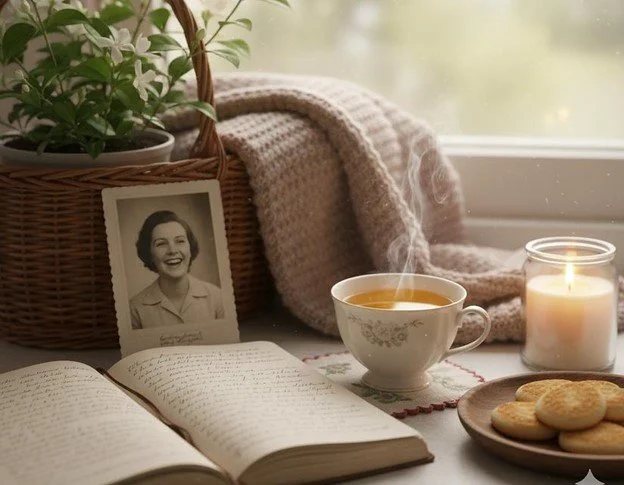
Grief has a way of changing the landscape of our lives. Sometimes it arrives suddenly, following the death of someone we love. Other times, it develops gradually through illness, the end of a relationship, the loss of a beloved pet, or a major life transition.
My client Tyler was a college student. His surfing buddy Tim had recently died in a solo motorcycle accident. He was having a hard time coping with Tim’s death. He couldn't sleep and was skipping classes. When he came to me, I shared the 5 stages of grief as identified by Elizabeth Kubler-Ross. This helped him by putting a name to his feelings and helping him to realize that what he was going through was universal. We then discussed the sixth stage as identified by Kubler-Ross and David Kessler. This stage involves honoring the memory of the person lost, finding purpose, and learning to remember with more love than pain. Tyler decided that a way to honor his friend would be by hosting a barbeque for his fellow students in his memory. Tim loved to barbeque and hang out with his friends. Tyler began to sleep better and attend classes again.
Sometimes, grief returns unexpectedly. A familiar song. A photograph. A favorite holiday tradition. An empty chair at the dinner table. These ordinary moments can bring powerful emotions to the surface, even years after a loss.
As autumn unfolds and the holiday season approaches, memories and traditions may make the absence of someone or something you love feel especially present. If you're grieving, you may have wondered whether there's a way to find greater peace without feeling as though you're leaving someone or an important part of your life behind.
The answer doesn't have to involve forgetting. Sometimes you can begin healing by learning to make room for both love and loss.
Grief Isn't Something You Have to Get Over
Our culture often treats grief as a problem to solve. You are encouraged to stay busy, be strong, find closure, or move forward. But grief rarely follows a predictable schedule.
You may feel relatively peaceful one day and overwhelmed the next. You might experience sadness, anger, guilt, relief, loneliness, or even moments of happiness that surprise you. None of these feelings automatically means you're grieving incorrectly.
A more compassionate approach recognizes that grief is not simply an emotion to eliminate. It's often an expression of the connection and meaning with someone or something you hold in your life. Healing may involve learning how to carry that connection differently.
How Hypnotherapy May Support the Grieving Process
Hypnotherapy uses focused attention and relaxation to help you explore thoughts, feelings, and habitual responses. If you are experiencing grief, a gentle, individualized approach may focus on creating moments of calm, reducing stress, strengthening coping resources, and developing a greater sense of emotional steadiness.
Hypnotherapy isn't intended to erase memories, suppress sadness, or make you feel better before you are ready. Instead, it can offer a quiet space to practice relaxation, explore comforting imagery, and develop compassionate ways of responding to difficult emotions.
For example, if you are feeling guilty about experiencing moments of happiness after a loss you might benefit from reflecting on a different possibility:
· "I can experience joy again without diminishing the love I still carry."
Someone struggling with the expectation to be strong might practice:
· "I can allow myself to feel what I feel, one moment at a time."
While research specifically examining hypnosis for grief remains limited, relaxation, guided imagery, and other focused-attention techniques may help you manage stress and emotional distress associated with loss. These approaches are best viewed as complementary supports rather than replacements for professional grief counseling when it is needed.
A Gentle Self-Hypnosis Practice for Difficult Moments
When grief feels overwhelming, a brief calming exercise can help you reconnect with the present. Find a quiet, comfortable place where you feel safe. Keep your eyes open if you prefer, and don't practice while driving or doing anything requiring full attention.
1. Begin with your breath.
Take several gentle breaths, allowing your shoulders and hands to relax.
2. Notice what supports you.
Feel the chair beneath you or your feet resting on the floor.
3. Choose a comforting phrase.
Silently repeat:
"I can be gentle with myself today." Or:
"I don't have to carry every feeling at once."
4. Imagine a peaceful place.
Picture somewhere that feels reassuring like a garden, a favorite room, a quiet beach, or another setting of your choosing.
5. Return slowly.
Notice the room around you and take your time returning to your usual activities.
The purpose isn't to make sadness disappear. It's simply to offer yourself a moment of rest. If imagery or inward attention increases distress, stop the exercise and orient yourself to your surroundings.
Creating Rituals That Honor Love and Memory
Rituals can provide a meaningful way to acknowledge grief while maintaining a connection with someone or something you have lost.
Rituals don't need to be elaborate or religious.
You might:
Light a candle on a meaningful date.
Prepare a favorite meal or recipe.
Write a letter expressing what you wish you could say.
Plant flowers or a tree in remembrance.
Create a small memory box with photographs or keepsakes.
Take a quiet walk somewhere that holds special meaning.
A ritual offers an intentional moment to remember, reflect, and honor what mattered. It can also be adapted over time. Something comforting during the first year of grief may change as your needs change.
Finding Meaning Without Forcing Closure
One of the most difficult expectations surrounding grief is the idea that you should eventually achieve complete closure.
But some losses may become part of your life story rather than chapters you simply close.
You may continue missing someone while discovering new relationships, interests, and experiences.
You may feel gratitude and sadness together.
·You may find that your sense of purpose gradually changes.
None of these experiences cancels the significance of your loss. You don't need to search for a silver lining in something painful. Sometimes the most meaningful progress is simply allowing yourself to live fully while honoring what remains important.
Moving Forward with Compassion
Grief is deeply personal. There is no single technique, timeline, or ritual that works for everyone.
For some, mindfulness, relaxation, and hypnotherapy may offer gentle support alongside relationships, community, spiritual practices, or professional counseling.
If grief is persistently interfering with daily functioning, or you're experiencing severe depression, trauma symptoms, or thoughts of self-harm, support from a licensed mental-health professional is especially important.
At CindaRoffman.com, I provide personalized, online or in-person hypnotherapy sessions for adults across U.S. time zones. When appropriate, hypnotherapy may provide a supportive space to practice relaxation, strengthen coping resources, and approach difficult emotions with greater compassion.
You don't have to forget in order to heal and you don't have to stop loving in order to move forward.
Sometimes healing means finding a way for remembrance, sorrow, gratitude, and hope to share the same space.
Please call 818-929-4944 for a Free 30 minute phone consultation or to schedule a session. To learn more please visit CindaRoffman.com.
Sincerely,
Cinda
HypnoNews and Resources
Continuing Bonds: Shifting the Grief Paradigm — What's Your Grief
Does healing from grief mean letting go of someone we love? Not necessarily. This thoughtful article explores how maintaining a meaningful connection with a loved one can be a natural and comforting part of the grieving process.
Relaxation Techniques: What You Need to Know — National Institutes of Health
Grief can affect both emotional and physical well-being. This evidence-informed resource explores relaxation techniques, including breathing exercises, guided imagery, and self-hypnosis, that may help people manage stress and find moments of calm during difficult times.